Email & SMS Conversions Jumped Almost 20% After Inheriting This Inbox
Case Study | White Duck Outdoors | Outdoor Industry | Email & SMS Marketing
A premium outdoor brand needed some major updates on their highest converting channel.
White Duck Outdoors makes high-quality canvas tents, gear, and accessories for people who take the outdoors seriously. Their products, from the Regatta Bell Tent to the Prota Canvas Tent, are built for four-season use and carry price points that reflect real craftsmanship. They sell direct-to-consumer through whiteduckoutdoors.com, on Amazon, and through approved retail partners.
When we came on board in January 2025, White Duck had an existing Klaviyo account. The infrastructure was there, but the potential wasn't being realized. The design lacked visual cohesion, the flows weren't fully optimized, and email and SMS were operating independently of each other. For a brand competing in a high-consideration category where a customer might spend weeks researching before buying, the inbox is one of the most powerful places to build trust. It just wasn't doing that yet.
Let’s talk about Email & SMS Marketing real quick…
“Email and SMS marketing are critical because they give businesses direct, owned lines of communication with customers. While social media algorithms dictate your reach, email and SMS allow you to bypass the noise, delivering tailored messages straight to a customer’s personal device to drive immediate action and long-term loyalty”
These people want to hear from you. They already proved that through actions like clicking “subscribe,” signing up for your emails, or even leaving something in their cart.
Email and SMS campaigns help you reconnect with both new and existing customers by creating intentional touchpoints that bring them back in. The right message at the right time can turn interest into action.
Our Challenge
Building from an existing foundation, not from scratch.
Inheriting an account is always tricky to navigate. The bones are there, but so are the… interesting habits. Sometimes there are uncorrected the legacy flows, design and branding gaps that have compounded over time. For White Duck, we identified four core areas that needed attention.
Inconsistent Design
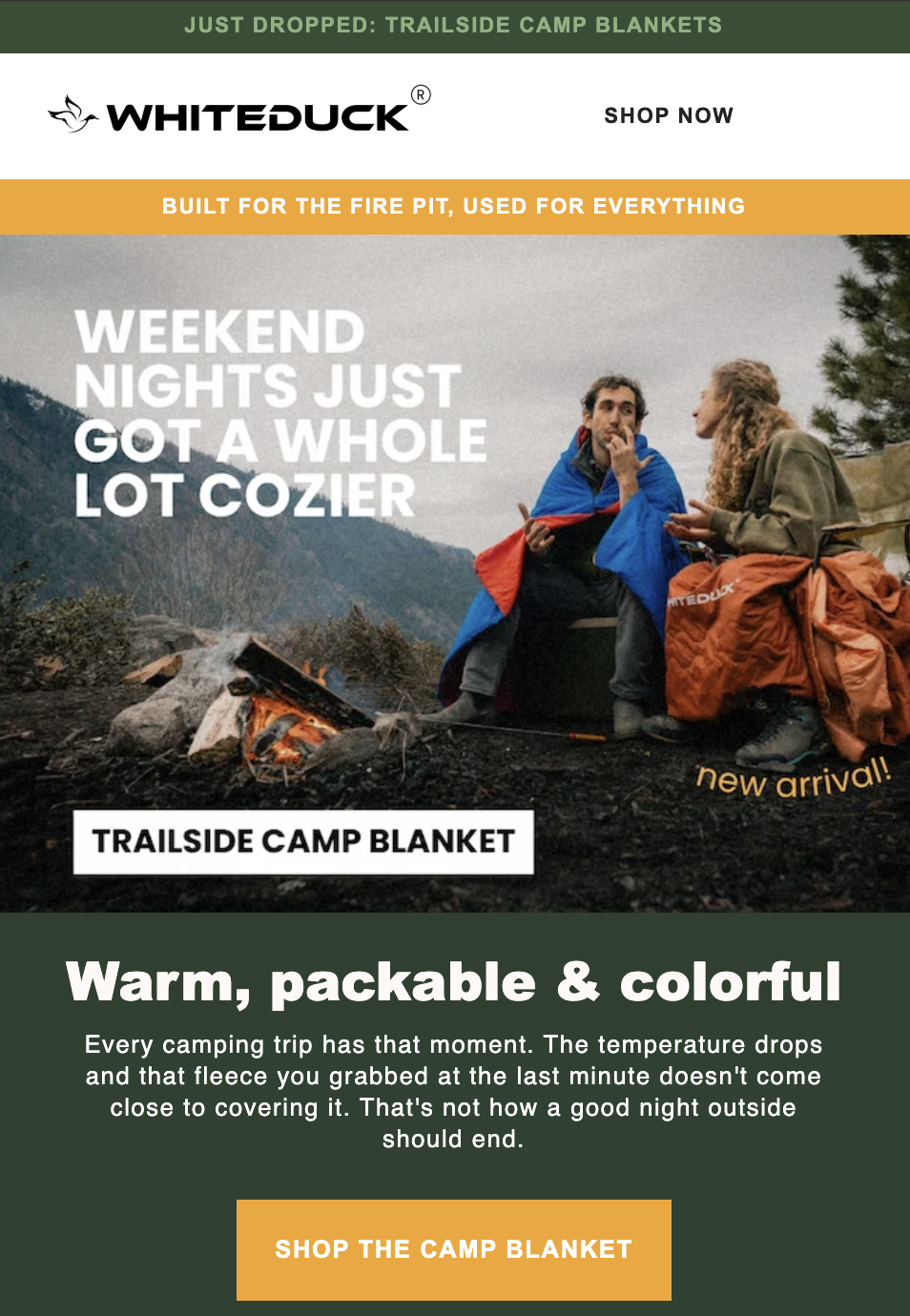
Their emails lacked a cohesive visual identity. Universal templates varied in layout, typography, and feel, making it hard for subscribers to build a strong brand association.
Underperforming Flows
Automated flows were not optimized. Some were live, but weren’t being sent properly, sequences didn't fully reflect White Duck's brand voice, most likely leaving thousands of dollars monthly on the table.
No Omnichannel Strategy
Email and SMS were being sent independently. There was no coordinated approach to how the two channels worked together across the customer journey.
What We Did
A full channel transformation, built to last.
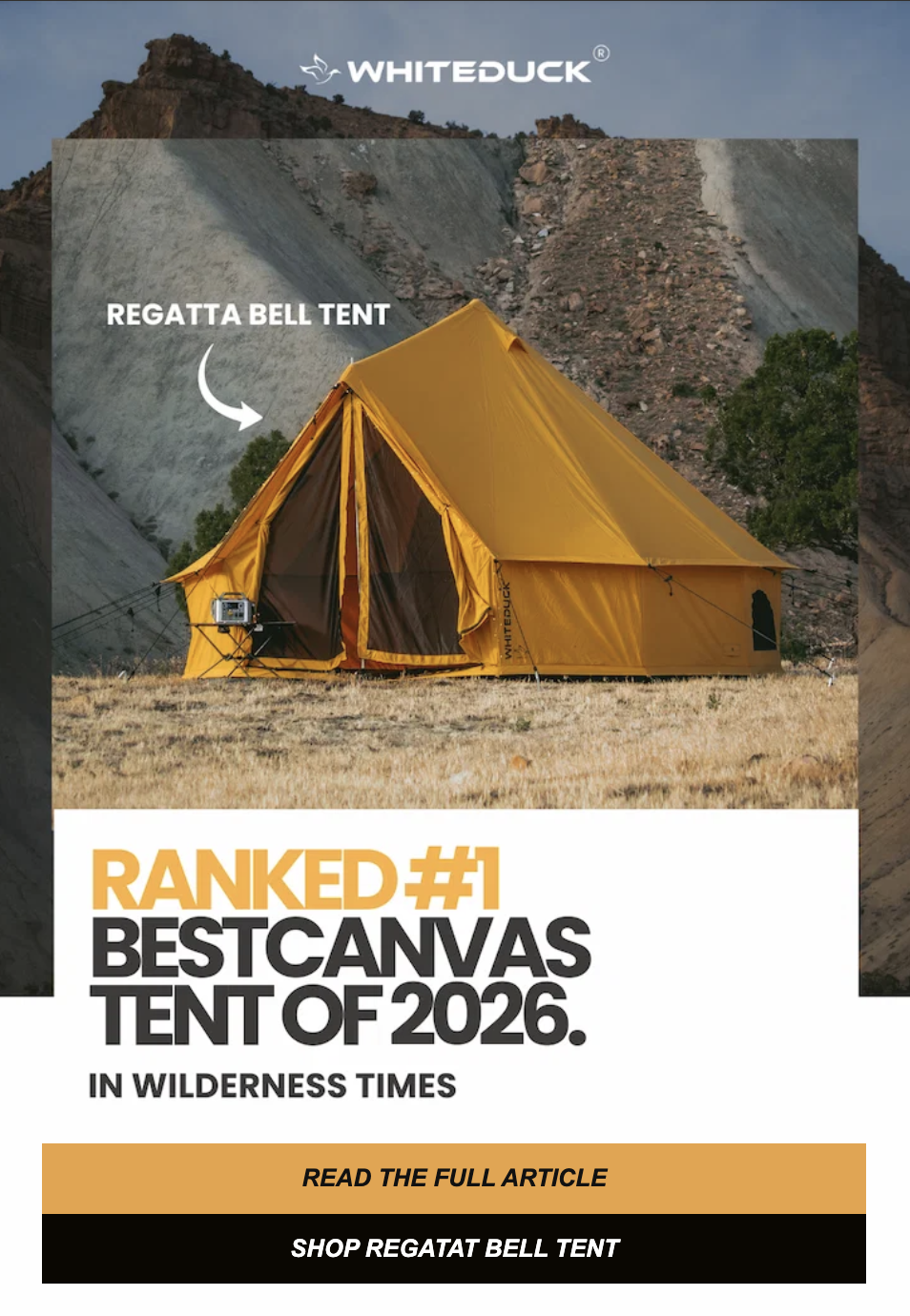
Design and branding overhaul. We rebuilt the email template system from the ground up, anchoring every send in White Duck's visual identity: bold outdoor photography, clean layouts, and consistent use of brand colors and typography. The goal was for every email to feel unmistakably White Duck, whether it was a product launch, a seasonal promotion, or a post-purchase thank you. We developed a flexible design system that could scale across campaign types without losing consistency.
Flow optimization. We audited every automated flow and rebuilt the sequences that weren't performing. There are specific integrations in Klaviyo that need to be monitored with their Shopify account, so we made sure to provide regular check ins with their team to confirm everything was functioning smoothly. Timing, messaging, and structure were all updated to reflect the brand's voice: approachable, informative, and never pushy. Getting this right protected the brand's retailer relationships and pricing integrity.
Omnichannel coordination. We built a sending strategy that treated email and SMS as one system rather than two separate channels. SMS acts as the amplifier: it gets in front of subscribers at the right moment during a promotional window or product drop. Email does the storytelling and the selling. Together, they create a more complete experience that moves people from awareness to purchase without feeling repetitive or overwhelming.
Promotional calendar strategy. White Duck's MAP policy defines specific promotional windows throughout the year, including Memorial Day, Independence Day, Prime Day, Labor Day, and Black Friday. We built a campaign calendar around those windows, planning creative and messaging well in advance so every send was intentional and compliant. That structure also let us maintain a strong sending cadence without burning out the list between promotions.
Content that earns attention. Beyond promotions, we developed a mix of campaign types: new product launches, competitive positioning content, brand storytelling, and giveaways. White Duck's audience is knowledgeable and discerning. They respond to content that respects their intelligence, gives them real information, and helps them make confident decisions. That informed everything we wrote.
The Results
Fifteen months in, the numbers speak for themselves.
Looking at February through April 2026, roughly 15 months after we started, here is where things stand.
Total placed order value across the period, up +43.86% year over year
Klaviyo-attributed conversions, up +19.84% versus the previous period
89% of all Klaviyo-attributed revenue driven by flows
Campaign open rate across 367,715 recipients, up 8.83% vs. the prior period
The 89% flow attribution is the result we're most proud of. It means the foundation we built is doing the work automatically, every day, without requiring a new campaign to be sent.
How We Work With Them Monthly
How we maintain consistent campaign results
After fifteen months of working with White Duck Outdoors consistently, here is how we structure our workflow and approval process.
1. Monthly Strategy Session
Each month begins with a strategy and brainstorming session. This is a key part of understanding what the brand is currently focused on, upcoming promotions, product priorities, campaign shifts, seasonal initiatives, or new ideas worth exploring. It also gives us space to collaborate creatively and stay aligned on overarching goals.
2. Monthly Content Calendar + Approval Workflow
After the strategy session, we begin building the monthly content plan inside our workflow manager (we use Asana).
We first map out: Campaign dates, target audiences, campaign goals, subject lines, messaging direction, calls to action
Before any campaigns are designed or built, we make sure the overall strategy and messaging are approved first. Clients review the content calendar directly in Asana and can mark items as:
Approved
Needs Work
Replace/Discard
They can also leave notes and feedback directly within the workflow. Depending on the stage of the project, we revise content, make adjustments, and move through a final approval phase before beginning campaign design and buildout.
3. Campaign Design + Buildout
Once messaging and strategy are approved, we build campaigns within a designated email marketing platform. This may include email campaigns, SMS campaigns, or both, depending on the campaign goals.
4. Final Review + Scheduling
After campaigns are built, we send test drafts directly to the client’s email for final review. Once approved, campaigns are scheduled according to the planned launch dates and times outlined in the content calendar.
In addition to scheduled campaigns, we also manage automated email and SMS flows that support the customer journey year-round. These flows are designed to work in the background while continuously driving engagement, education, and conversions.
Examples of automated flows may include:
Welcome sequences
Abandoned cart reminders
Browse abandonment
Post-purchase follow-up
Product education series
Review requests
Re-engagement campaigns
We regularly monitor flow performance, review analytics, test subject lines and messaging, and make ongoing adjustments based on customer behavior, seasonal priorities, and campaign performance. This helps ensure automations stay relevant and continue performing over time rather than becoming outdated or stagnant.
Why It Worked
Design builds trust. Automation builds revenue.
When someone is deciding whether to spend $500 to $3,000 on a canvas tent, the inbox matters more than people think. A well-designed, on-brand email signals that White Duck is the kind of company that takes the details seriously, which is exactly the message a premium outdoor brand needs to send.
Beyond design, the results reflect the compounding nature of a well-built flow system. Campaigns require ongoing effort and planning. Flows work continuously in the background, reaching the right subscriber at the right moment in their journey. By investing in that infrastructure early and making sure it was optimized, compliant, and on-brand, we created a revenue engine that improves over time.
The omnichannel layer added reach and urgency without adding noise. Email and SMS together cover more of the customer journey than either channel can alone, and when they're coordinated, the experience feels intentional rather than scattered.
Most importantly, we never cut corners on brand integrity. White Duck's MAP policy and content guidelines exist for a reason, and honoring them in every send meant that growth happened without eroding the brand equity that makes the whole thing work.